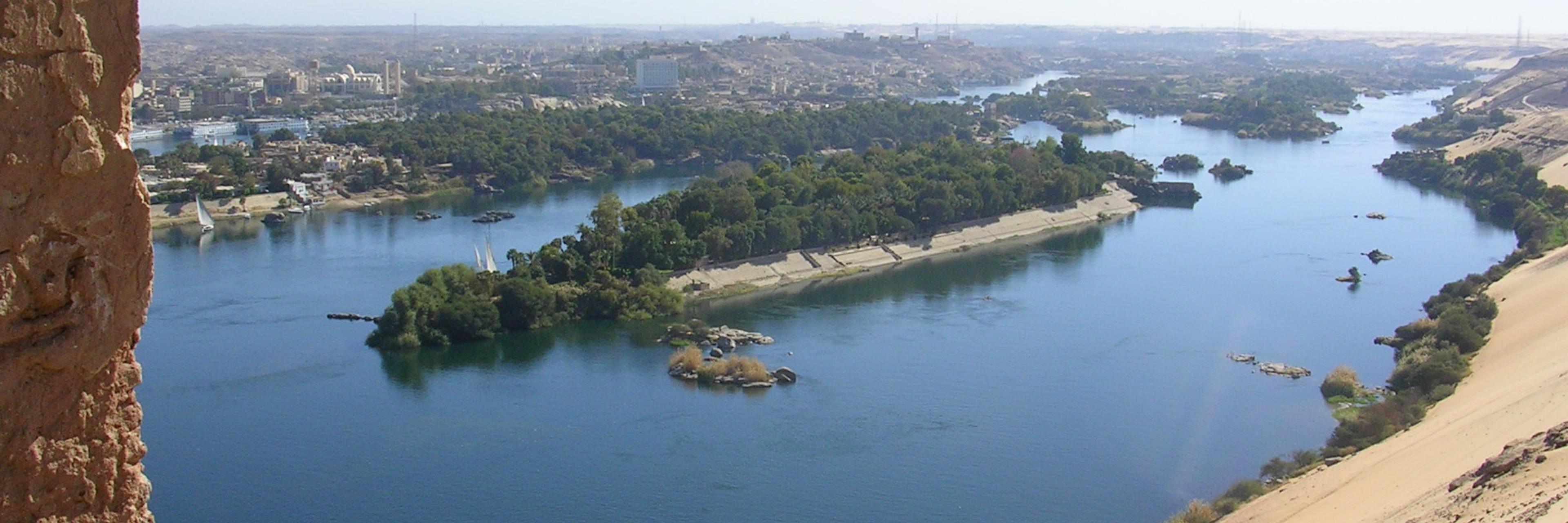
The Nile in Transition from Ancient Times to the Present (special focus Nubia)
In light of RCN’s upcoming events in Aswan — including the In-Situ Graduate School (ISGS) and the second face-to-face international convocation — we are pleased to announce a hybrid lecture. This hybrid lecture—and, for in‑person participants, a guided tour of the Nubia collection at the National Museum of Antiquities (RMO) in Leiden, The Netherlands—will examine how the Nile River has shaped life in Egypt from the fourth millennium BCE to the present-day era of the Aswan High Dam.
Speakers: Dr Miriam Müller (Director NINO; LIAS/Egyptology) and Dr Daniel Soliman (RMO Curator; LIAS/Egyptology)
This lecture will be recorded, but not the Q&A afterwards.
Everyone is welcome, but registration via the web form on the IIAS page is required to secure seating and receive free museum entry.
Programme (in CET)
15:00 – 16:00 Lecture
16:00 – 16:30 Q&A
16:30 – 16:55 Guided tour of the Nubia collection of the RMO
The Lecture
Egyptian life has, for its entire history, been centred on the Nile. From the early beginnings of Egyptian history in the fourth millennium BCE, this has remained unchanged, up to the present day, when Egypt’s nearly 120 million inhabitants live along the narrow strip of arable land bordering the Nile and its Delta.
In the first part of this lecture, Miriam will discuss how the Nile shaped life in ancient Egypt from the fourth to the first millennium BCE, with a particular focus on the traditional southern border of the Egyptian state at Aswan, the gateway to Nubia. She will present the capital of Egypt's first district, Elephantine, opposite modern Aswan. In her part of the lecture, she will outline how the interaction between the Egyptian and Nubian populations created a bustling city that is one of the best-excavated and best-documented provincial capitals of Egypt and can be visited today.
In the second part, Daniel will explore the rich Nubian heritage of this region and the temples that were built here. He will examine how the construction of the Aswan High Dam irrevocably changed life along the Nile in Egypt, particularly the effects on Nubian communities. Interestingly, the construction of the dam also led to the first international UNESCO campaign to safeguard cultural heritage in Nubia. Through these efforts, Nubian temples on the brink of disappearing in the dam’s reservoir, were dismantled and relocated. He will conclude by highlighting the Dutch participation in the UNESCO campaign and how diplomatic negotiations resulted in the transfer of a Nubian temple to the Netherlands, where it has become a landmark in Leiden.
The Speakers
Miriam Müller (NINO & LIAS Egyptology)
Miriam Müller is a university lecturer in Egyptian archaeology, art and material culture at the Leiden Institute for Area Studies and is especially interested in the spatial organisation of domestic architecture in the pharaonic period and its social implications. Miriam received her PhD from the University of Vienna. Prior to her appointment at the Leiden Institute for Area Studies, Miriam was a postdoctoral fellow at the Department of Near Eastern Languages and Civilizations at Yale University, the Joukowsky Institute for Archaeology and the Ancient World at Brown University and the Oriental Institute of the University of Chicago. In addition to her role as a lecturer, she currently serves as Director of the Netherlands Institute for the Near East (NINO).
Daniel Soliman (RMO)
Daniel Soliman obtained his PhD in Egyptology from Leiden University (2016). He then continued as a lecturer and researcher at the University of Copenhagen and contributed to a research project at the British Museum in London. Since 2019, he has been a curator of the Egyptian and Nubian collections at the National Museum of Antiquities in Leiden, where he studies the collections and prepares exhibitions. His research interests include the socio-political history of collection practices and contemporary ways of reimagining ancient Egypt.
Organisation
This event is organised in the framework of the IIAS River Cities Network (RCN) and the In-Situ Graduate School Mapping the Upper Nile: Reviving Nubian Heritage for a Sustainable Future at Aswan in April 2026.
It is jointly organised by the International Institute for Asian Studies (IIAS) and the Netherlands Institute for the Near East (NINO), in cooperation with the National Museum of Antiquities (RMO).
Registration (required)
Everyone is welcome, but registration via the web form on the IIAS page is required to secure seating and receive free museum entry.
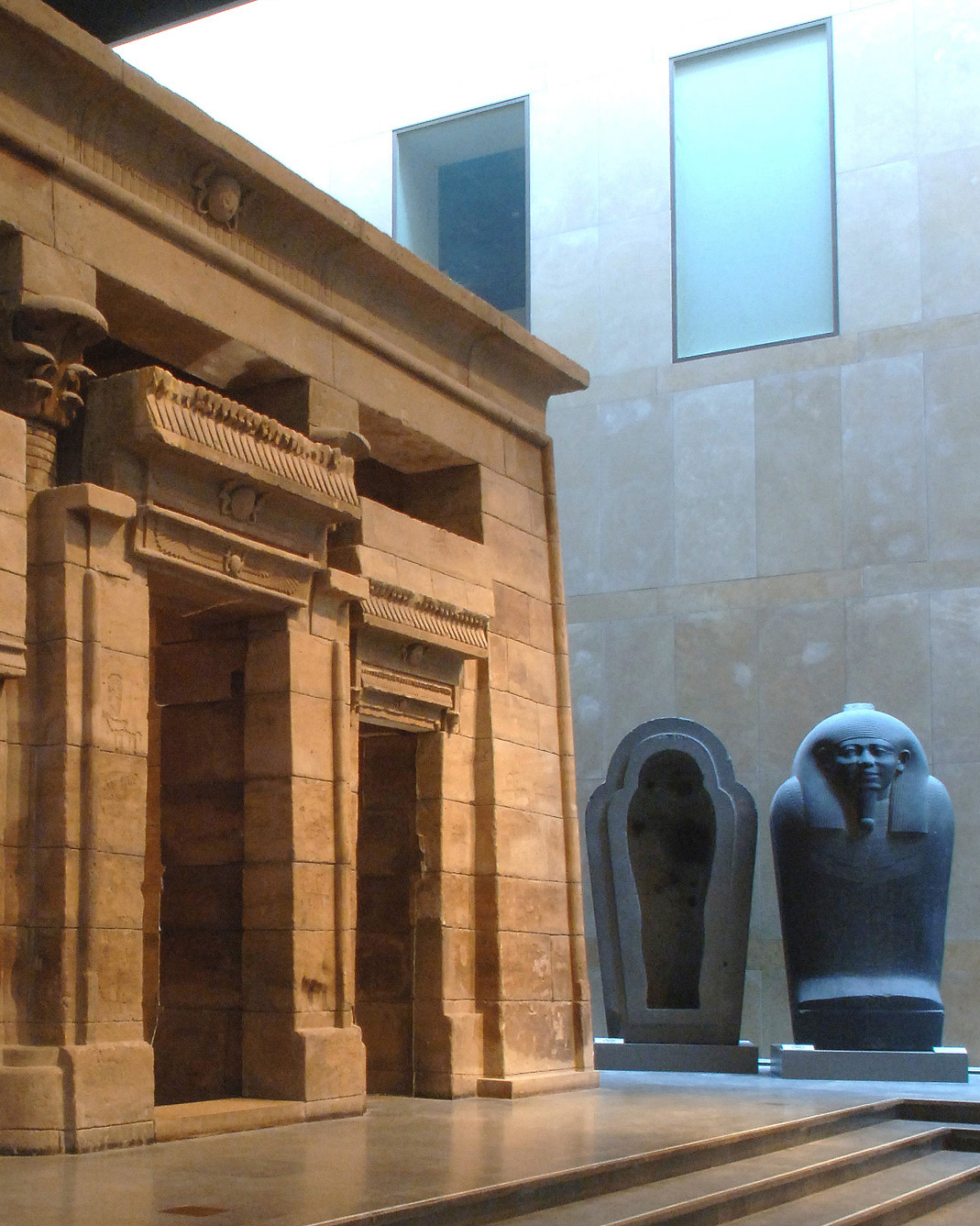
Temple of Taffeh. Courtesy of the National Museum of Antiquities (RMO).